

Combating Acute Pollution Damage in Trees: Focused Mitigation Strategies
Trees enhance urban and rural landscapes and offer significant ecological benefits. Amidst the increasing environmental challenges, safeguarding tree health has become imperative. This guide narrows down on mitigation strategies to manage acute pollution damage in trees, highlighting targeted actions for preservation and recovery.

Beyond the Storm: Understanding the Secondary Consequences of Weather-Induced Plant Stress
Weather-related plant injuries can often be precursors to secondary disorders that may further impact plant health and stability. These injuries arise from various climatic factors, including extreme temperatures (both hot and cold), wind, hail, frost, and excessive moisture or drought. Understanding the mechanisms of these injuries and their implications on plant health is crucial for effective management and mitigation strategies.
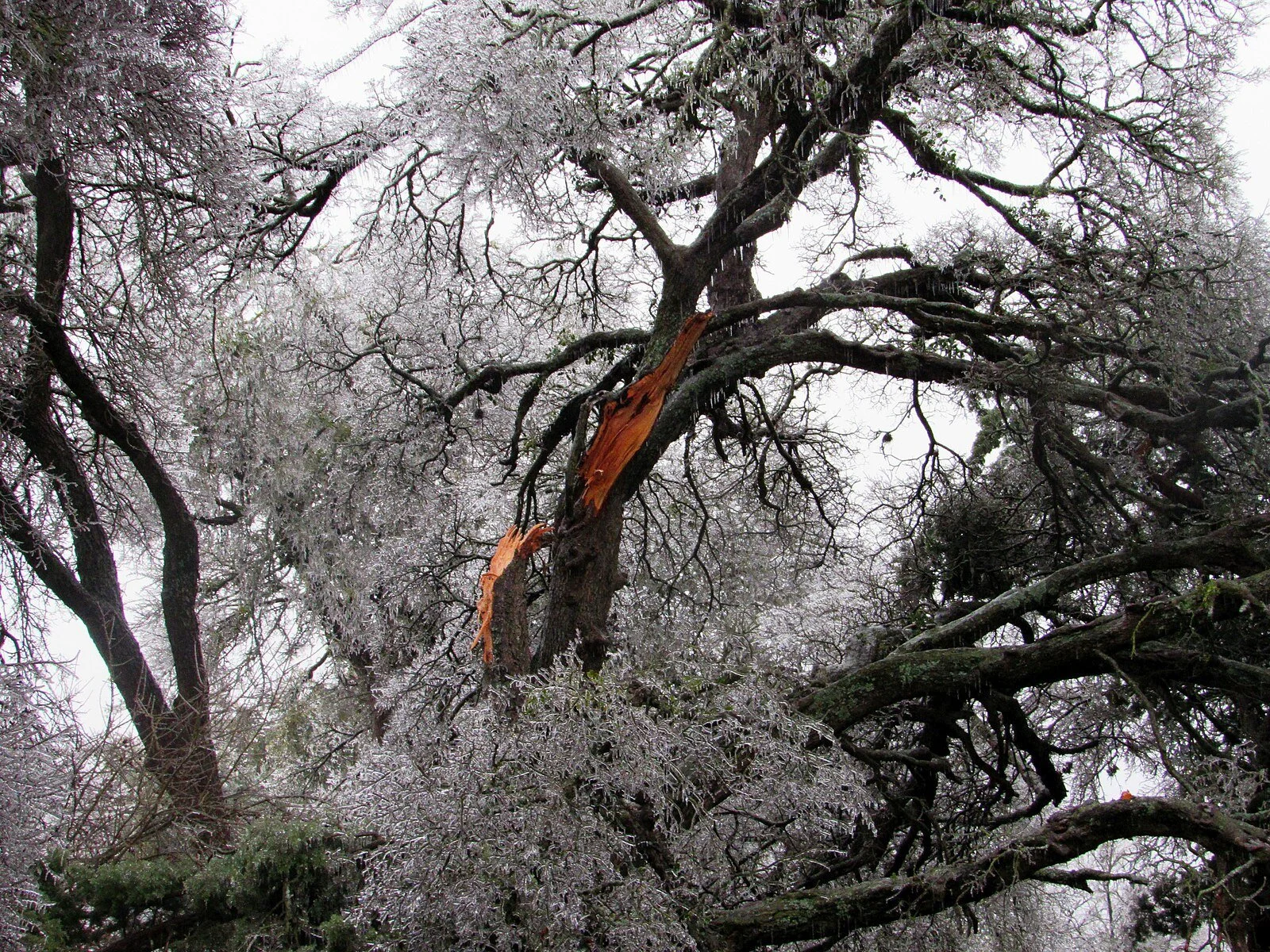
Weather Woes: How Weather-Related Injuries Lead to Secondary Plant Disorders
Understanding the cascading effects of weather-related injuries on plants is pivotal. These primary injuries, induced by environmental factors like extreme temperatures, wind, hail, and variations in precipitation, not only affect a plant's immediate health and vitality but also set the stage for an array of secondary disorders.
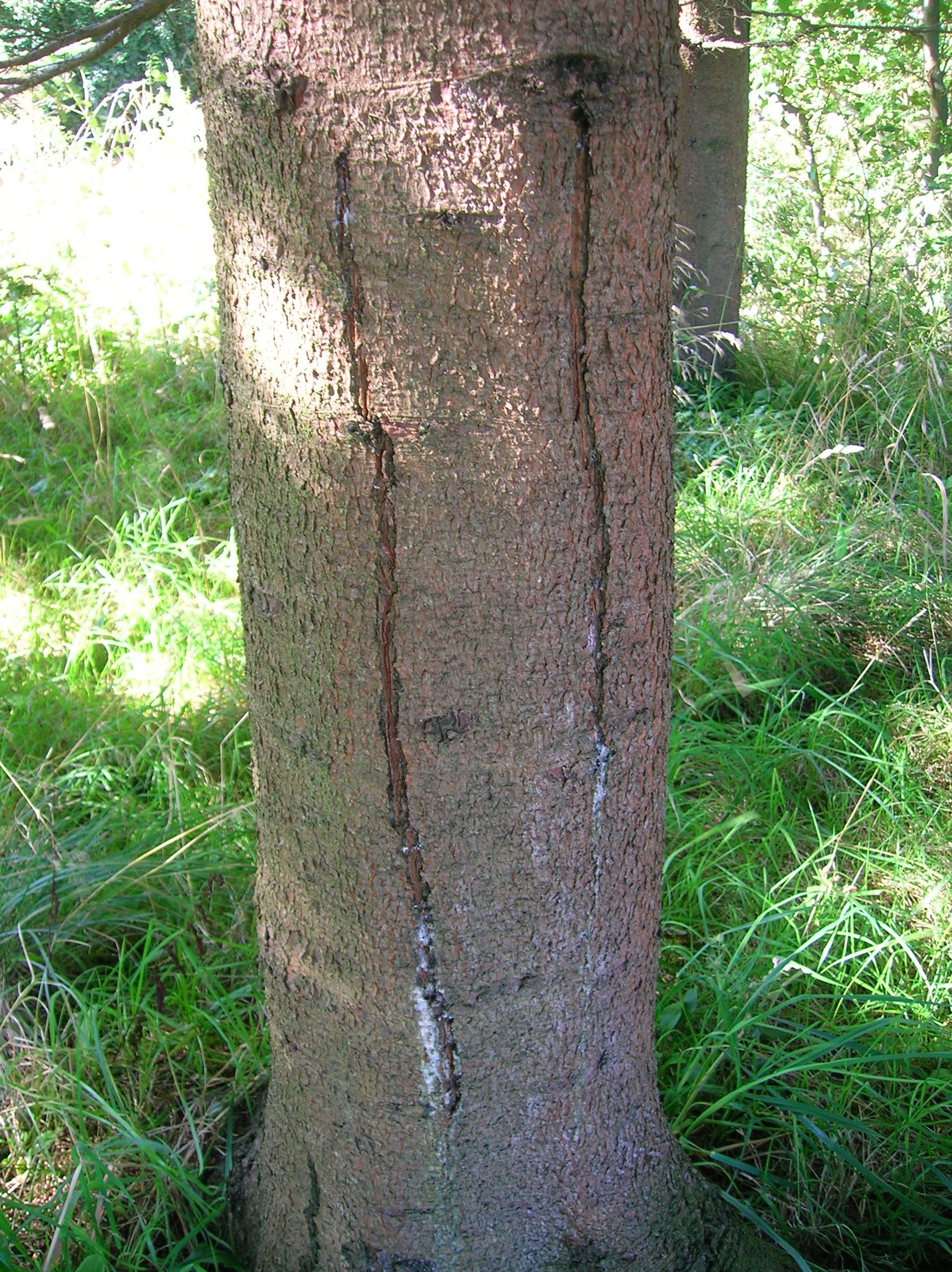
Understanding Frost Cracks in Trees
Frost cracks, radial shakes, or winter splits are common abiotic disorders affecting trees. These vertical fissures in the trunks of trees can be a significant concern for arborists, landscapers, and tree enthusiasts.
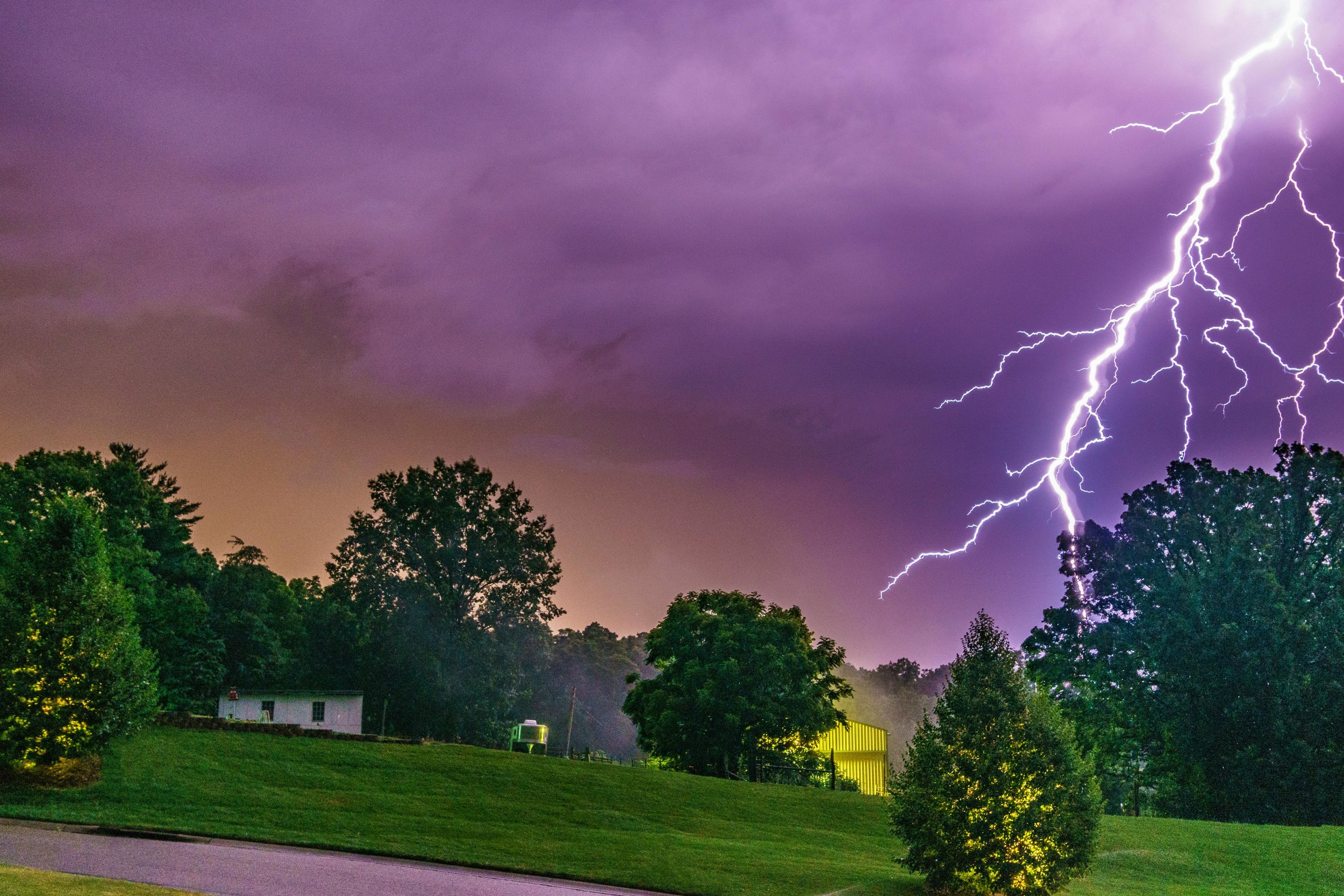
The Potential Impacts of Lightning on Unprotected Trees
Lightning, a powerful natural phenomenon, can have devastating effects on trees. When a tree is struck by lightning, the outcomes can range from minimal damage to destruction, depending on various factors such as the tree's species, moisture content, and overall health.

Navigating the Effects of Pollution on Tree Health
Trees, vital to our ecosystems, face numerous challenges, with pollution a significant threat. This blog post delves into the various forms of pollution impacting tree health, highlighting unique symptoms and mitigation strategies supported by academic research.
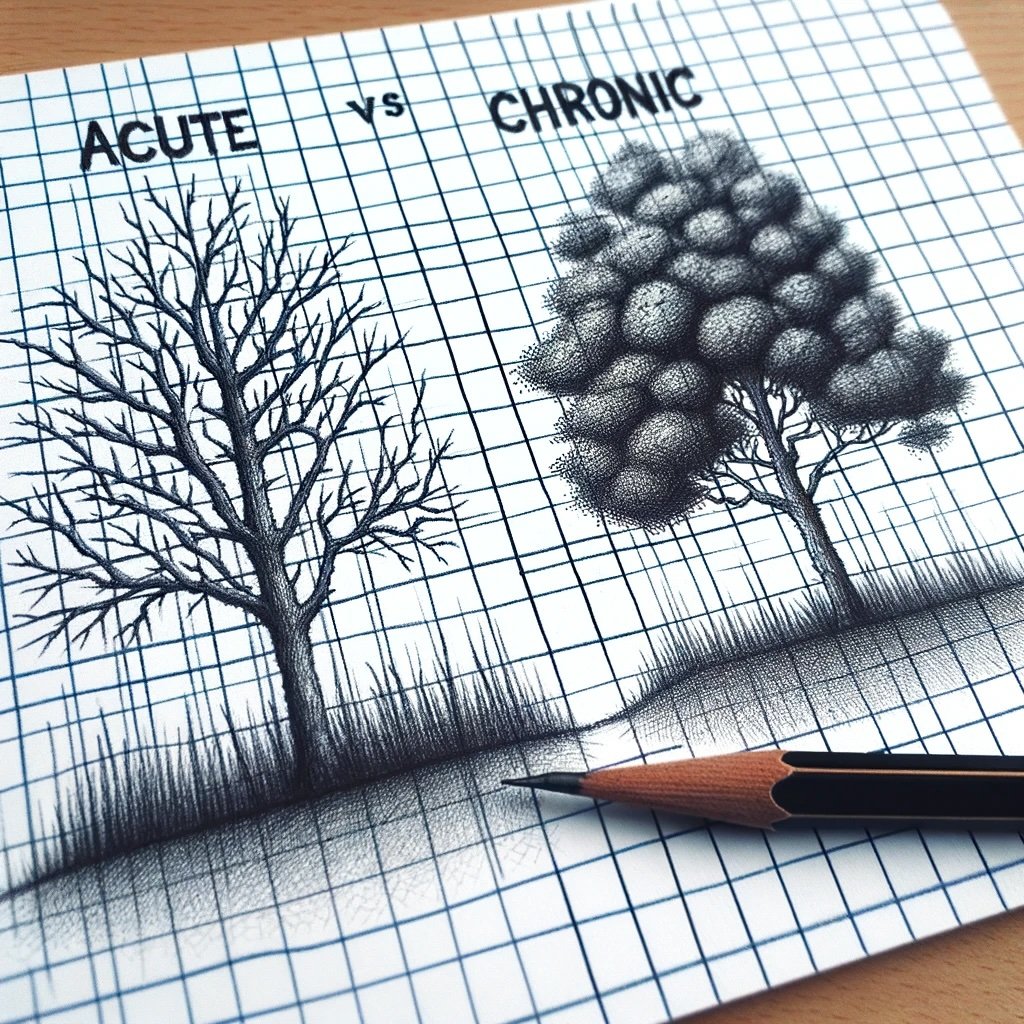
Understanding Chemical and Pollution Injury in Plants: Chronic vs. Acute Injury
When evaluating the health of plants, particularly in the context of chemical and pollution injuries, it's crucial to distinguish between chronic and acute injuries. These terms refer to the duration and intensity of exposure to harmful substances, which can significantly impact the signs and symptoms observed in affected plants.

Assessing Soil and Site Influences on Plant Performance
Understanding the impact of soil and site conditions on plant health is crucial for effective arboriculture. Different biotic and abiotic environmental factors profoundly influence plant growth, health, and productivity.

Assessing the Impact: Key Factors Influencing the Severity of Physical and Mechanical Injuries in Plants
The past few posts have focused on physical and mechanical injuries to trees. In this post, we delve into the factors that influence the severity of damage from physical and mechanical injuries to plants. These injuries can range from accidental damage due to landscaping activities to intentional vandalism, each causing varying degrees of plant harm.

Understanding the Impact of Planting Pot-Bound Trees with Circling Roots
When choosing a tree for your landscape, the health and structure of its roots are as crucial as the beauty of its canopy. A common issue in nursery-grown containerized trees is becoming "pot-bound" – a condition where roots grow densely within the confines of a container, often circling and entangling themselves.

Tree Troubles: Recognizing and Responding to Mechanical Damage
Trees are not just aesthetic elements of our landscapes but vital living organisms that contribute significantly to our environment. However, they are often subject to various forms of mechanical damage, which, if left unnoticed or untreated, can lead to severe health issues or even tree loss.
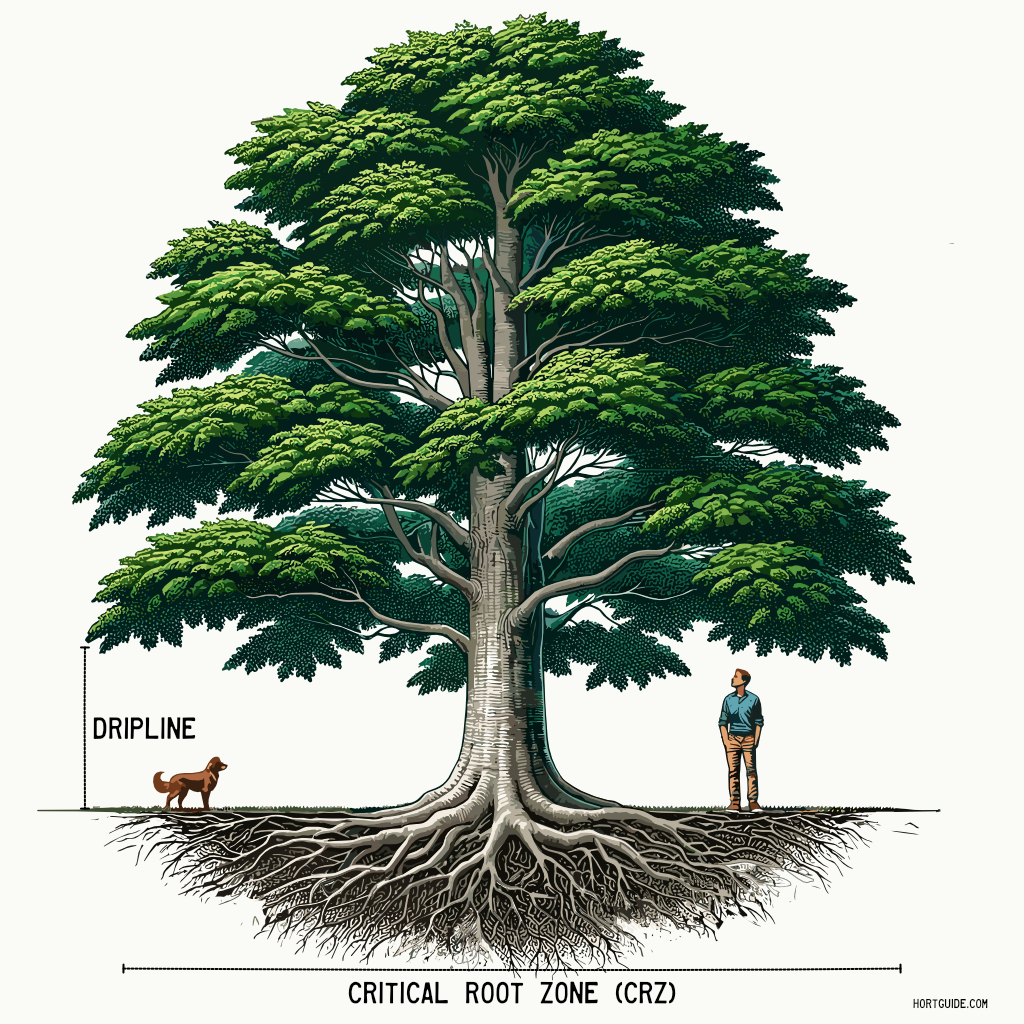
Exploring the Critical Root Zone: A Crucial Step for Tree Preservation
A tree's Critical Root Zone (CRZ) is more than just a term in the glossary of arboriculture; it's a vital concept that underscores the relationship between a tree's root system and its environment. Understanding the CRZ is fundamental in the broader narrative of tree preservation, especially when navigating the challenges of construction and development projects.

The Importance of 'Right Tree, Right Place'
Selecting trees for a landscape is essential to creating a beautiful and thriving outdoor environment. By choosing the right tree for the right place, you can ensure that your tree will thrive and provide beauty and shade for many years. Understanding the critical factors in tree selection, such as height, canopy spread, growth rate, soil, sun, and moisture requirements. Whether you're looking for an evergreen for privacy, a deciduous tree for shade, or a fruit tree for a bountiful harvest, it's essential to consider the form and shape of the tree, as well as its hardiness zone and fruit production. By following the principle of "Right tree, right place," you can create a beautiful and healthy landscape that will be a source of pride and enjoyment for years.

The Importance of Adhering to ANSI Z60.1 Standards When Buying Trees from a Nursery
The conflict in measuring trees between ANSI Z60.1 and ANSI A300 standards is because different organizations with different goals and focus areas have developed these standards. Both standards are essential for the green industry.