

Decision Making in Arboriculture: Utilizing Soil and Foliar Analysis for Optimal Plant Health
Addressing abiotic disorders in plants involves understanding the complex interplay between environmental stressors and plant health. Abiotic disorders are caused by non-living ecological factors that can adversely affect plant growth, development, and productivity. These stressors include extremes in water availability, temperature fluctuations, soil compaction, salinity, chemical toxicity, and mechanical injuries.

Soil Characteristics and Plant Nutrient Availability
Understanding the relationship between soil attributes and nutrient dynamics is vital in arboriculture. Soil type and pH influence nutrient availability, often leading to abiotic disorders manifested through nutrient deficiencies or toxicities.

Understanding and Comparing the Effects of Salt in Soil and Salt Spray in the Air on Tree Health
The adverse effects of salt on tree health can be effectively mitigated by selecting suitable species, thoughtfully designing landscapes, and proactively managing soil and plant health.
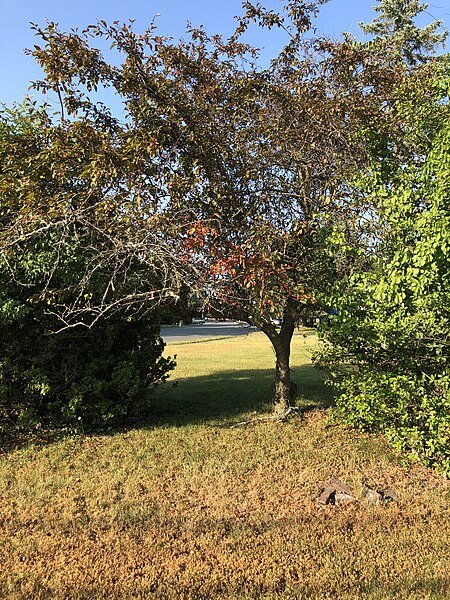
Assessing Soil and Site Influences: Chronic vs. Acute Water Deficiency
Understanding the impact of water deficiency on plants is crucial for arborists. Chronic and acute water shortages can significantly affect plant health, but their symptoms and long-term effects differ.

Assessing Soil and Site Influences: Water Deficiency
Understanding the role of soil and site conditions is crucial in diagnosing plant water deficiency. Here, we explore the key factors contributing to water stress symptoms, combining visual inspection, understanding soil and site conditions, and analyzing plant behavior.
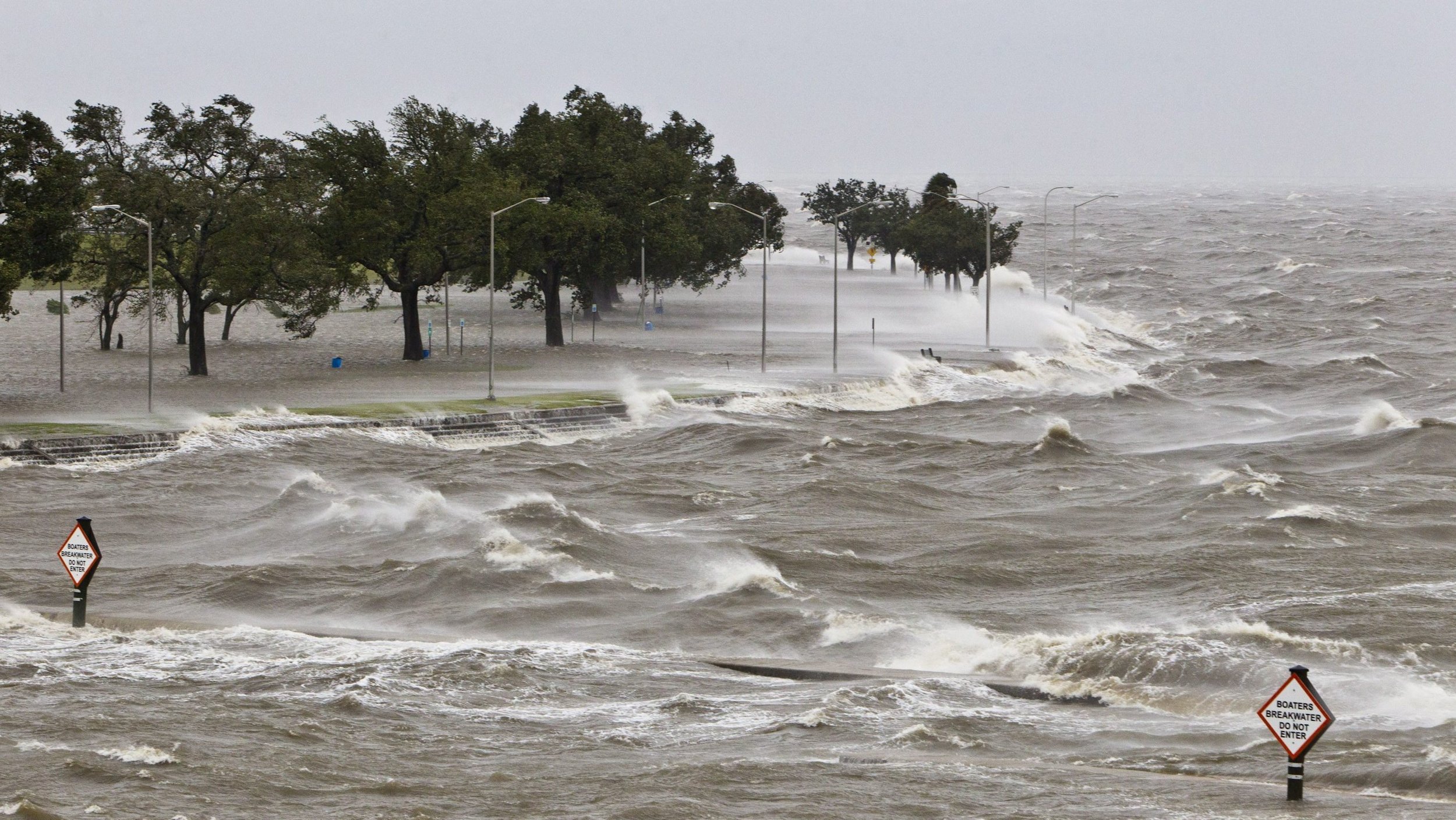
Balancing the Salt Equation: Strategies for Soil Salinity Management in Arboriculture
Soil salinity, marked by high levels of soluble salts, poses a severe concern for arborists. By absorbing water, these salts can create a water deficit in the soil, making it harder for trees to absorb moisture and nutrients.

Navigating Abiotic Stress: The Role of Aeration in Soil Structure
Soil aeration and texture are critical yet often overlooked aspects of tree health. Proper aeration allows roots to breathe, which is essential for their growth and resilience to stress. The soil's sand, silt, and clay mix shapes its texture and airflow. Without this, roots suffer from compaction, leading to many issues. Understanding and managing soil aeration is critical to preventing these problems and maintaining healthy trees.
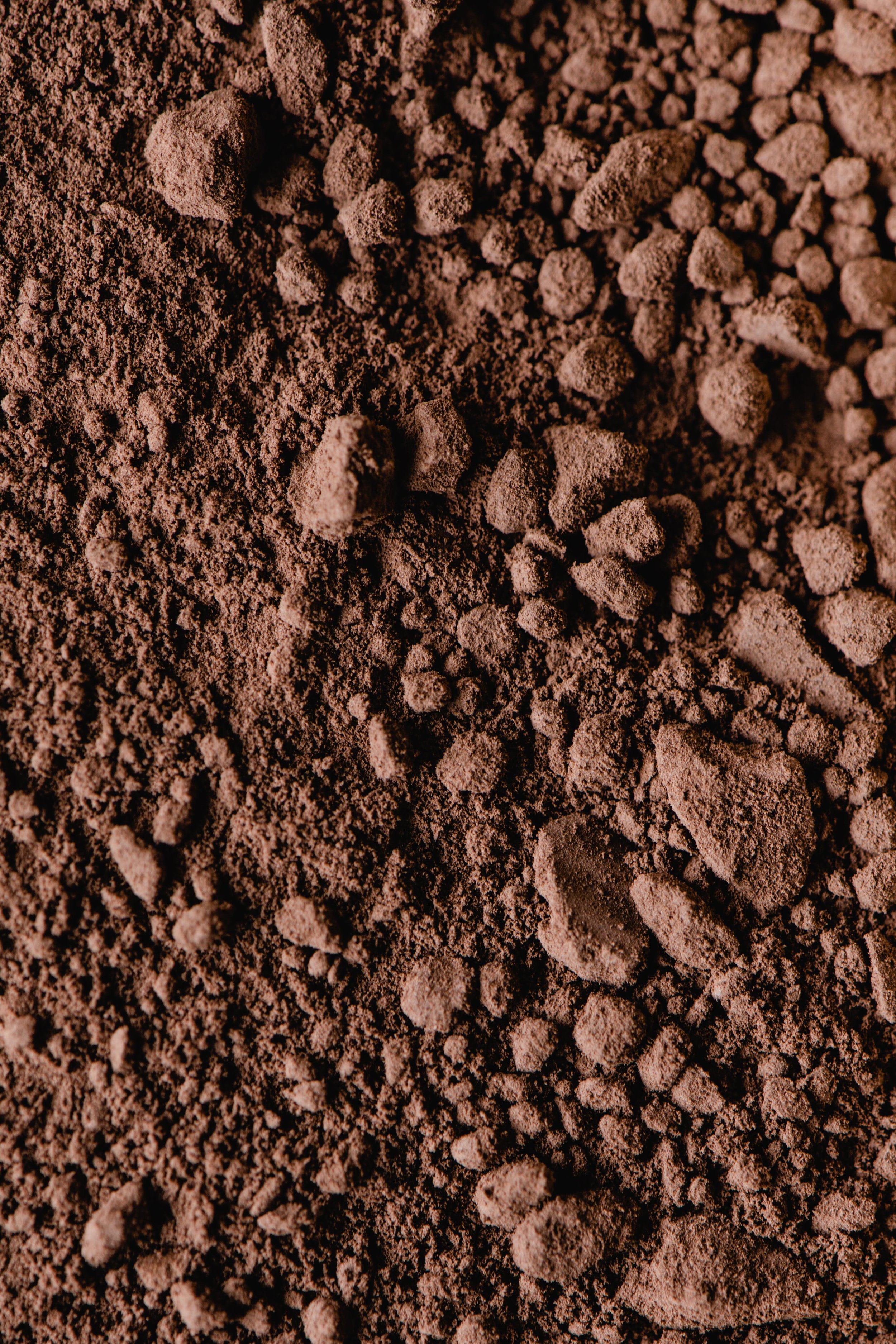
Managing Moisture: Soil Texture's Impact on Tree Water Retention
In managing tree health, understanding the balance of water and soil is key, particularly when addressing abiotic disorders. Soil texture, marked by the proportion of sand, silt, and clay, plays a critical role in water retention and availability for trees. This relationship between soil and water significantly influences tree vitality and is an essential consideration for arborists.

Soil Compaction: “Number One Urban Tree Stressor.”
“Soil compaction is the most prevalent of all soil constraints on shade and street tree growth.” Dr. Kim Coder, Professor, University of Georgia.