

Understanding Black Spot on Kelsey's Dogwood and Effective Prevention Tips
Recently, a customer reached out with concerns about a few Cornus kelseyi (Kelsey's dogwood) plants they had just received from us. They noticed black spots on the leaves and wanted to ensure the plants were healthy. Their concern is entirely understandable—spotting disease on new plants can be alarming!
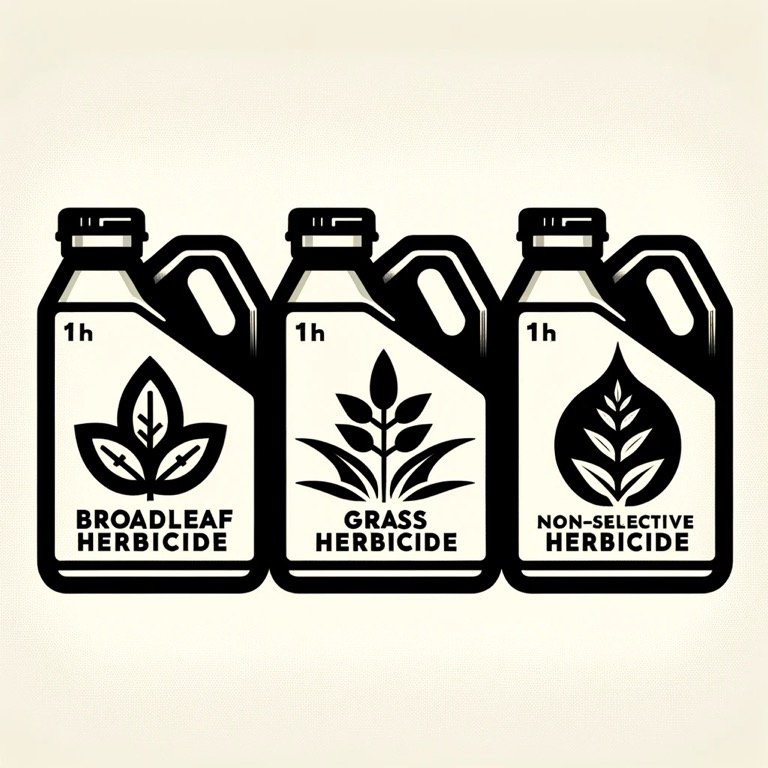
Herbicide Types and Plant Responses: A Closer Look
Chemical and pollution injuries to plants can significantly impact plant health and are crucial to abiotic disorders. These injuries are often the result of herbicides and pollutants, which can vary in their specificity and mode of action. Understanding the different types of herbicides and their effects on plant groups is essential for accurate diagnosis and management.

Guarding the Orchard: Embrace Dormant Oil Sprays for Healthier Homegrown Fruit
Growing fruit trees in your backyard is an endeavor that pays off in multiple ways—from the sheer joy of cultivating something with your own hands to the satisfaction of tasting the fruits of your labor. However, like any worthwhile project, maintaining a healthy orchard presents its share of challenges.

Why It Matters: The Importance of Controlling Invasive Plants in Puget Sound
The spread of invasive plant species in the Puget Sound Region can significantly impact the ecosystem and native vegetation. The community can play a crucial role in limiting the spread of these plants through early detection and removal, supporting organizations working to control them, and making conscious choices in gardening and landscaping.

Crane Flies in Your Lawn: What They Are and How to Get Rid of Them
Do you have crane flies in your lawn? These pests can be a real nuisance, and it can be difficult to get rid of them. In this blog post, we will describe what crane flies are, their origin, lifecycle and how to get rid of them. We will also discuss how to maintain a healthy lawn so that these pests don't come back!
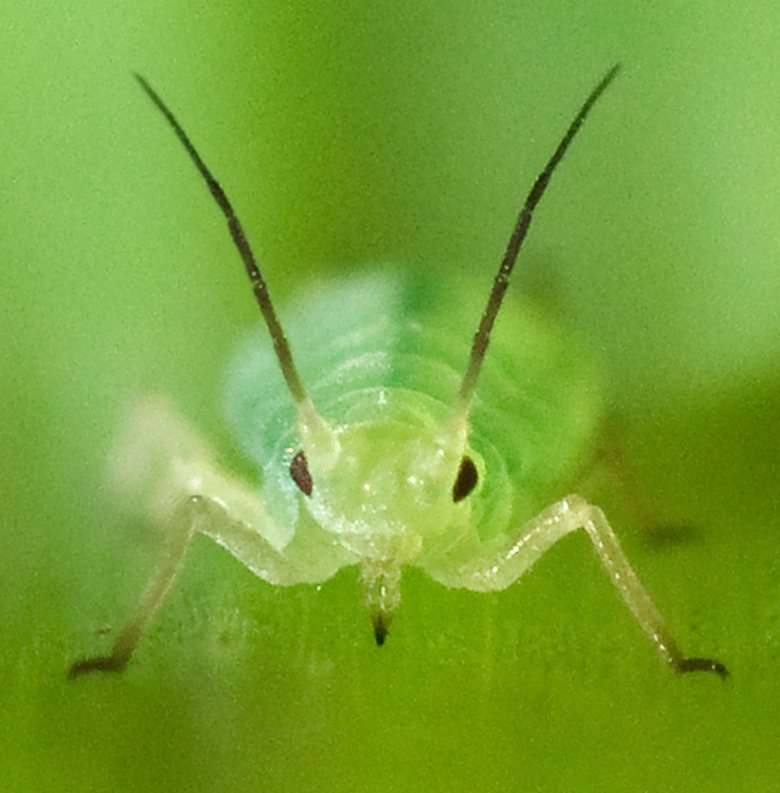
Aphids in your landscape?
Aphids are small, soft-bodied insects that can be found in many different habitats. They are most commonly seen in the landscape, where they can cause significant damage to plants.
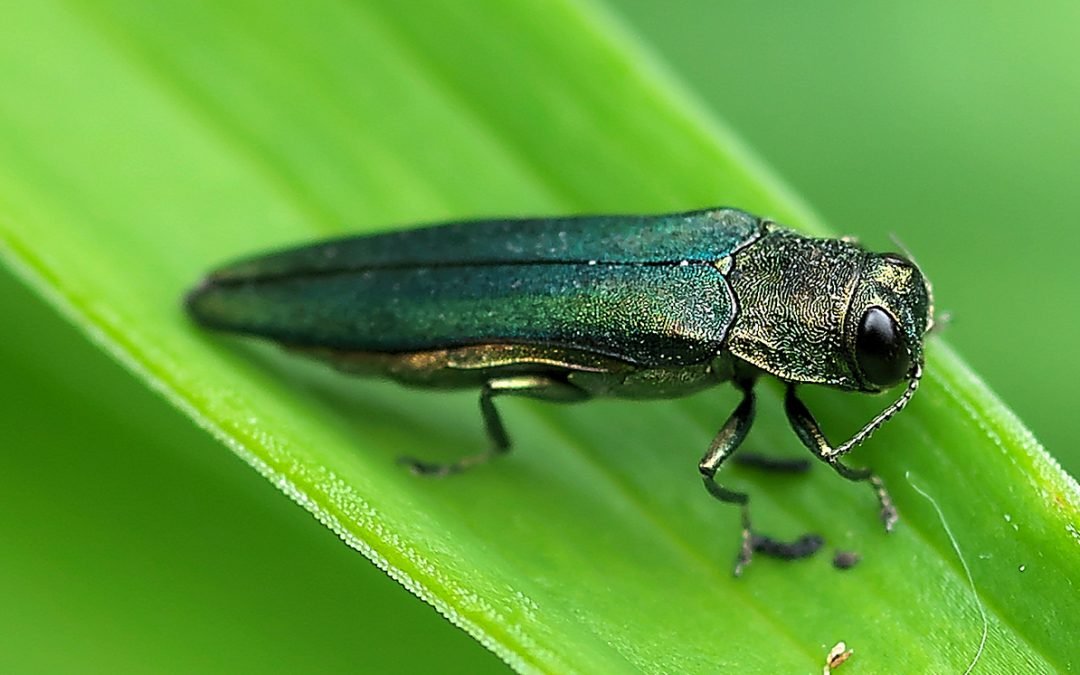
The Emerald Ash Borer: The Threat to North American Ash Trees
The emerald ash borer is a small, green beetle that has been slowly killing off ash trees across North America for the past several years. The beetle was first identified in 2002 near Detroit, Michigan, and has since spread to 30 U.S. states and 2 Canadian provinces. While there is no known cure for the infestation, there are ways to protect your ash trees from being killed by the emerald ash borer.