
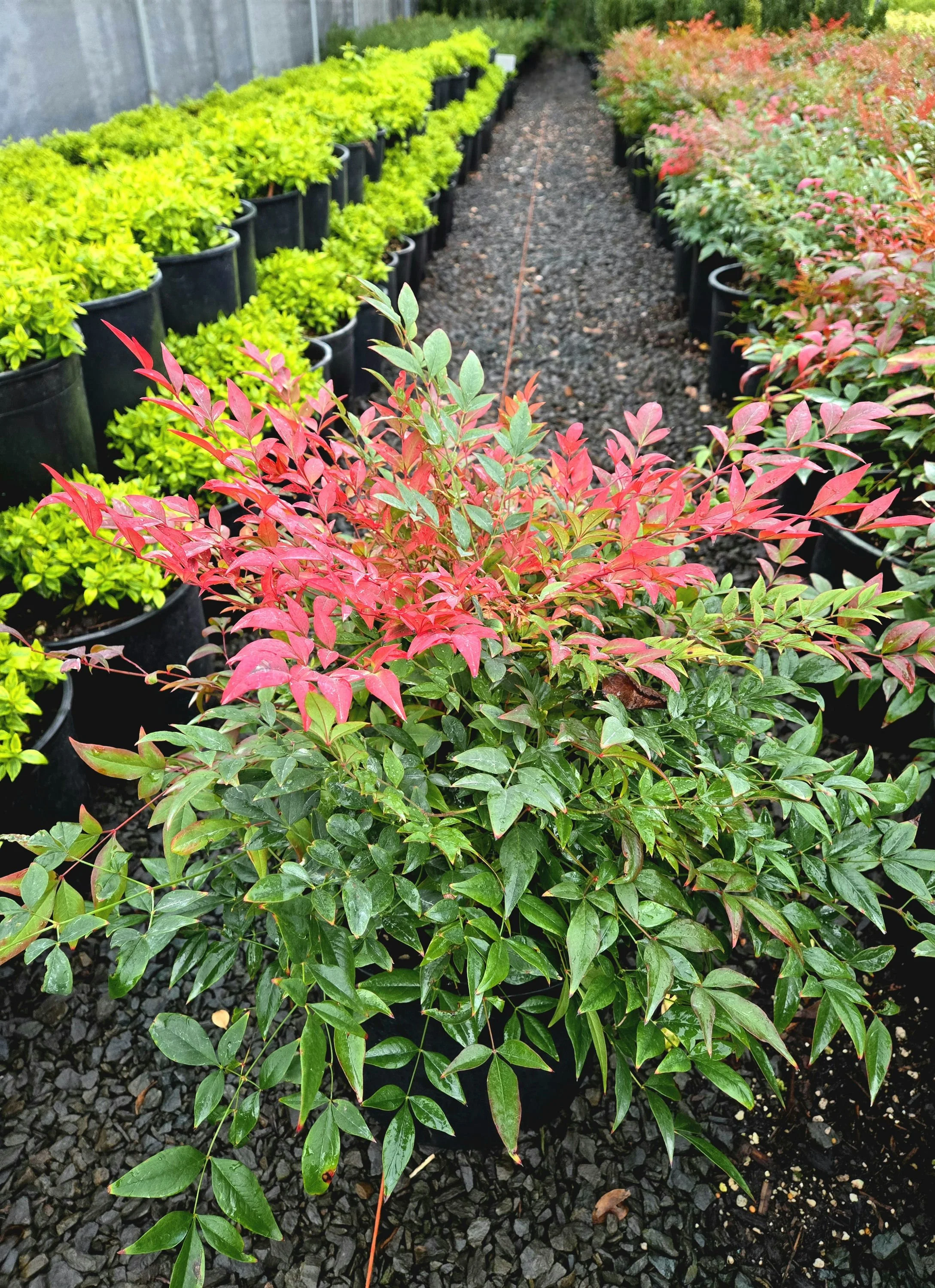
Gulf Stream Heavenly Bamboo (Nandina domestica 'Gulf Stream')
Gulf Stream heavenly bamboo is a compact evergreen shrub valued for its layered form and vivid red-to-bronze winter foliage. It performs well in sun to part shade and fits neatly into residential landscapes where year-round color is needed without excessive size. In the Pacific Northwest, it is best specified with attention to drainage, winter exposure, and local guidance on nandina fruiting and invasiveness.
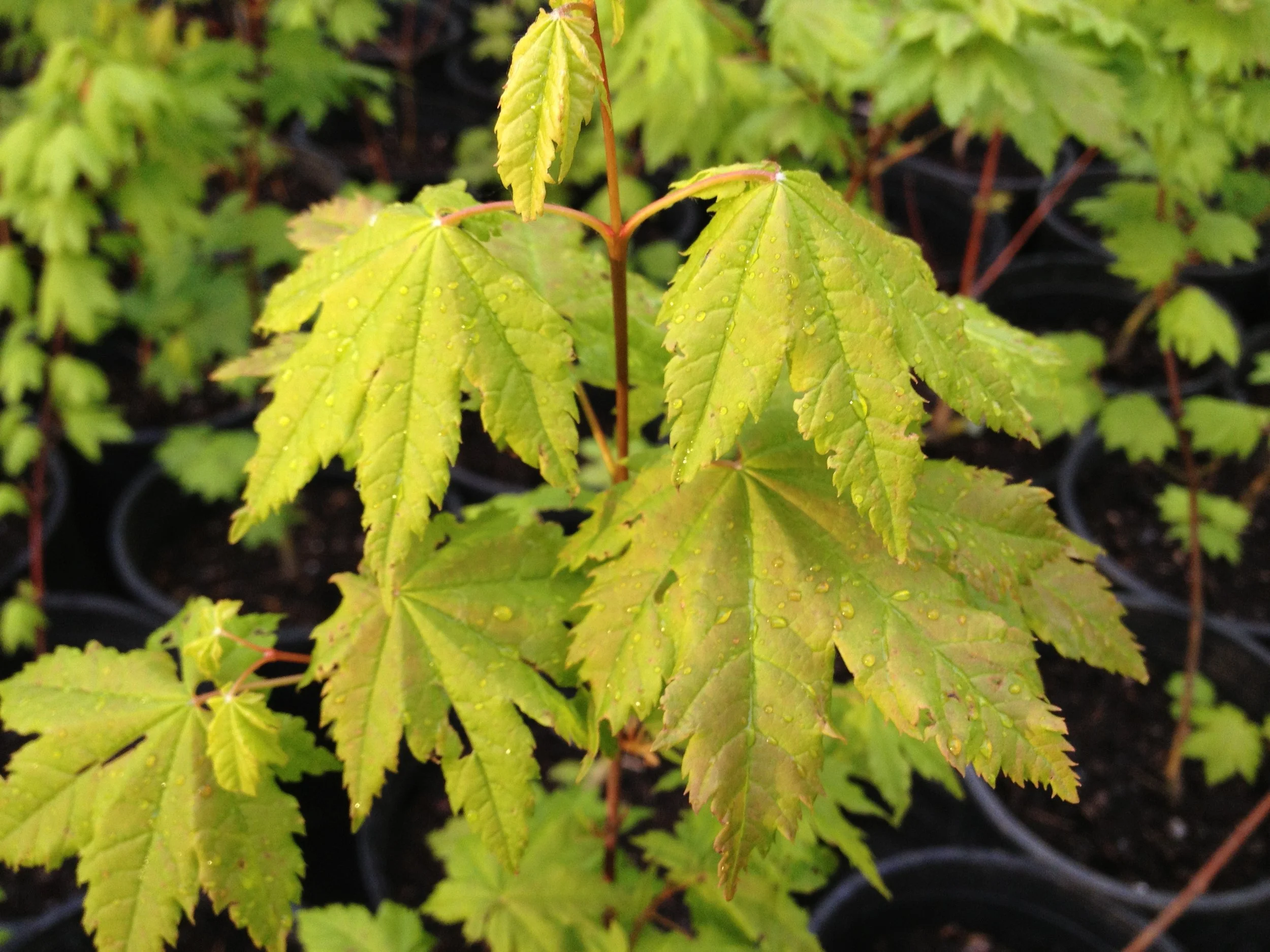
Vine Maple (Acer circinatum)
Vine maple (Acer circinatum) is a Pacific Northwest native small tree known for excellent fall color, layered branching, and strong performance in shade and woodland landscapes.

Adiantum aleuticum: The Western Maidenhair Fern
Adiantum aleuticum, commonly known as the Western Maidenhair Fern or Aleutian Maidenhair, is a species renowned for its graceful beauty and resilience. Originating from the Aleutian Islands, this fern has a broad native range that extends from Alaska's cool, moist forests through the western United States to Chihuahua in Mexico. Surprisingly, isolated populations in northeastern North America, from Newfoundland to Vermont, showcase its adaptability to various climates.
Acer rubrum 'Armstrong Gold®' Maple
The development of Acer rubrum Armstrong Gold® highlights how selective breeding refines and improves beloved cultivars. The name Acer rubrum honors the cultivar’s dominant red maple characteristics, making it a practical and attractive choice for urban landscapes.
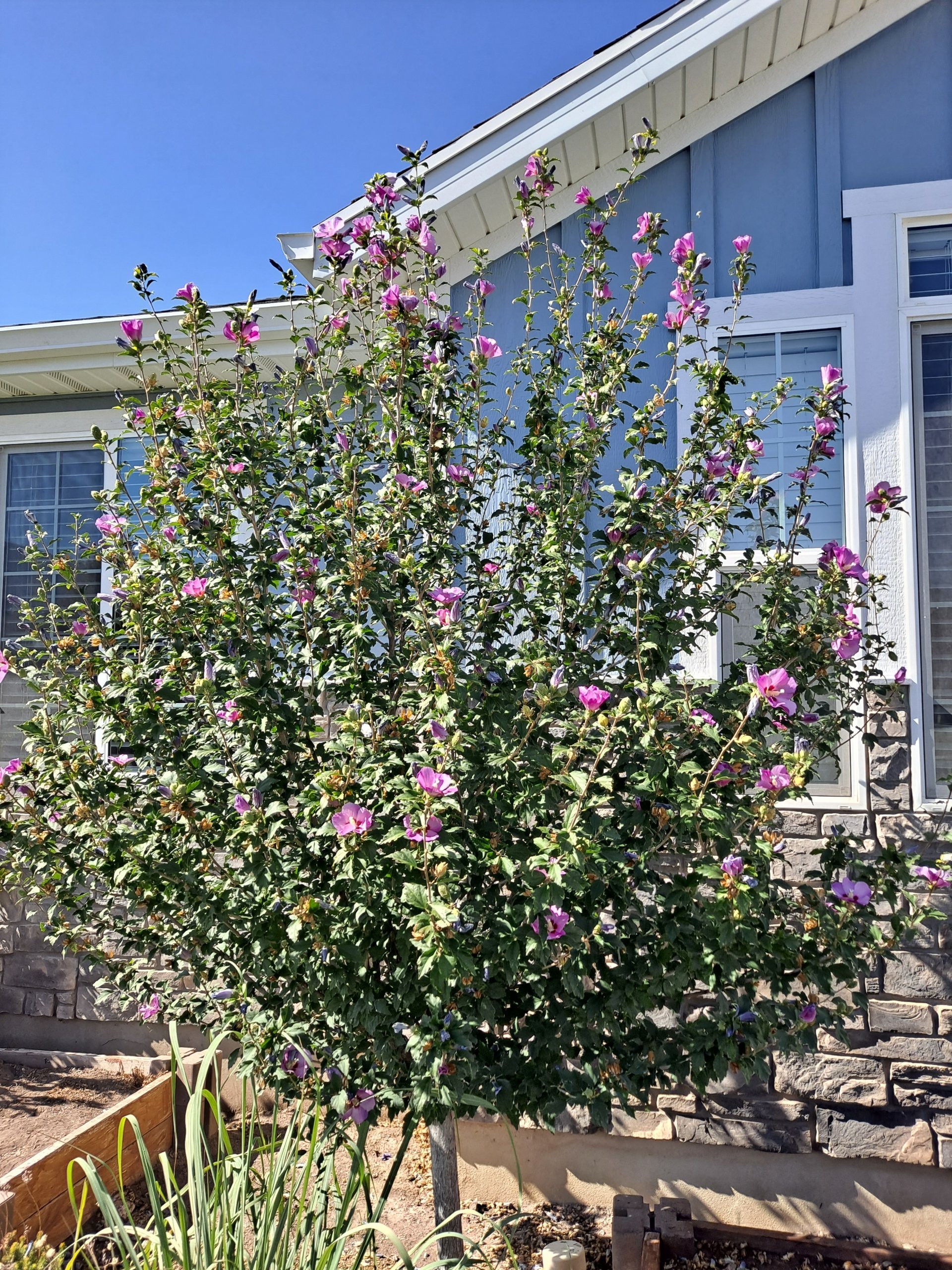
The Story of Hibiscus syriacus: Origin, Growth, and Garden Wonders
Hibiscus syriacus, commonly known as Rose of Sharon, is an iconic flowering shrub that brightens gardens with its vibrant summer blooms. Its striking flowers and hardy nature have earned it a beloved spot in ornamental landscapes worldwide. In this post, we dive into this stunning plant's origin, range, and essential characteristics, giving you the information you need to grow it successfully.
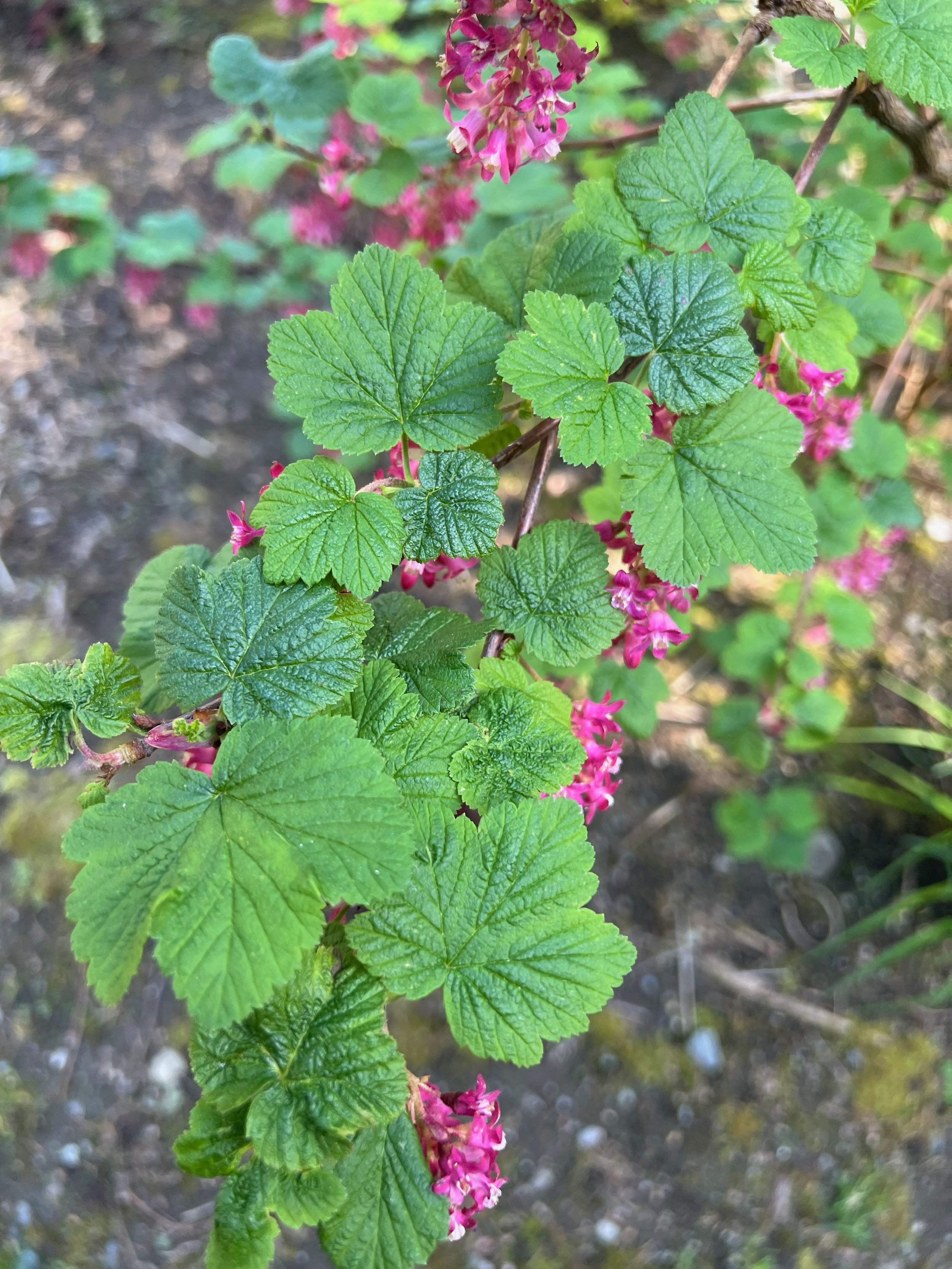
Ribes sanguineum' King Edward VII': A Vibrant Addition to Your Garden
Ribes sanguineum' King Edward VII' is a spectacular flowering currant that brightens gardens in early spring with its showy clusters of deep red blooms. This hardy shrub has garnered a loyal following among gardeners for its stunning floral display, resilience, and adaptability to a range of growing conditions. In this article, we delve into this plant's origin, characteristics, and uses and explore the key attributes that make Ribes sanguineum' King Edward VII' a desirable addition to your landscape.

Karl Foerster Feather Reed Grass: A Versatile Ornamental Grass for Every Garden
If you're looking for a resilient, versatile, and beautiful garden ornamental grass, Calamagrostis × acutiflora 'Karl Foerster', commonly known as Karl Foerster Feather Reed Grass, is a perfect choice. Known for its upright form, adaptability, and year-round visual appeal, 'Karl Foerster' is a favorite among landscape designers, gardeners, and horticulture enthusiasts. This grass offers a striking architectural presence that can elevate any garden space. Let’s look at what makes Calamagrostis × acutiflora 'Karl Foerster' so special.
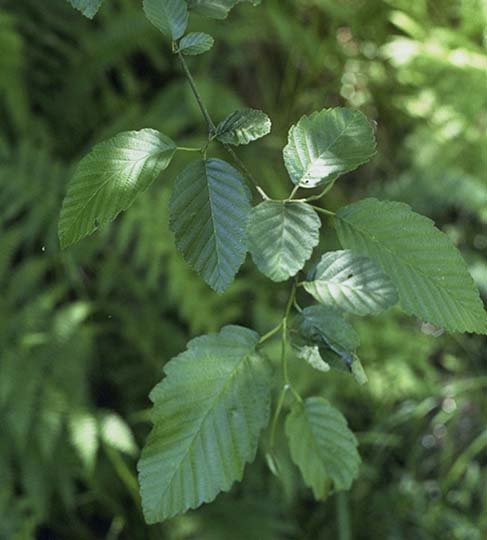
The Red Alder: Origin, Growth Habit, and Landscape Potential
Red alder (Alnus rubra), a fast-growing deciduous tree native to the Pacific Northwest, is an essential component of many ecosystems in the region. It serves ecological roles, including soil enrichment and providing wildlife habitat, while having commercial timber value. This post explores the red alder's origin, growth habits, and use in horticultural landscapes.
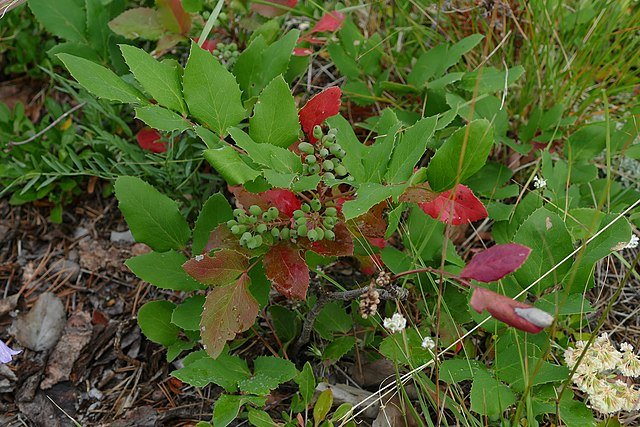
Mahonia repens (or Berberis nervosa*)– Creeping Oregon Grape
Mahonia repens grows about 9 to 15 inches (23 to 38 cm) tall and can spread up to 8 feet (2.44 meters) wide, making it an excellent choice for dense ground cover. Its spiny, blue-green leaves give off a distinct holly-like vibe, and in winter, they turn a rich purplish color, adding interest when most plants are dormant. Come spring, it bursts into clusters of fragrant yellow flowers that attract bees, butterflies, and other pollinators. By late summer, blue-purple berries ripen, feeding birds.
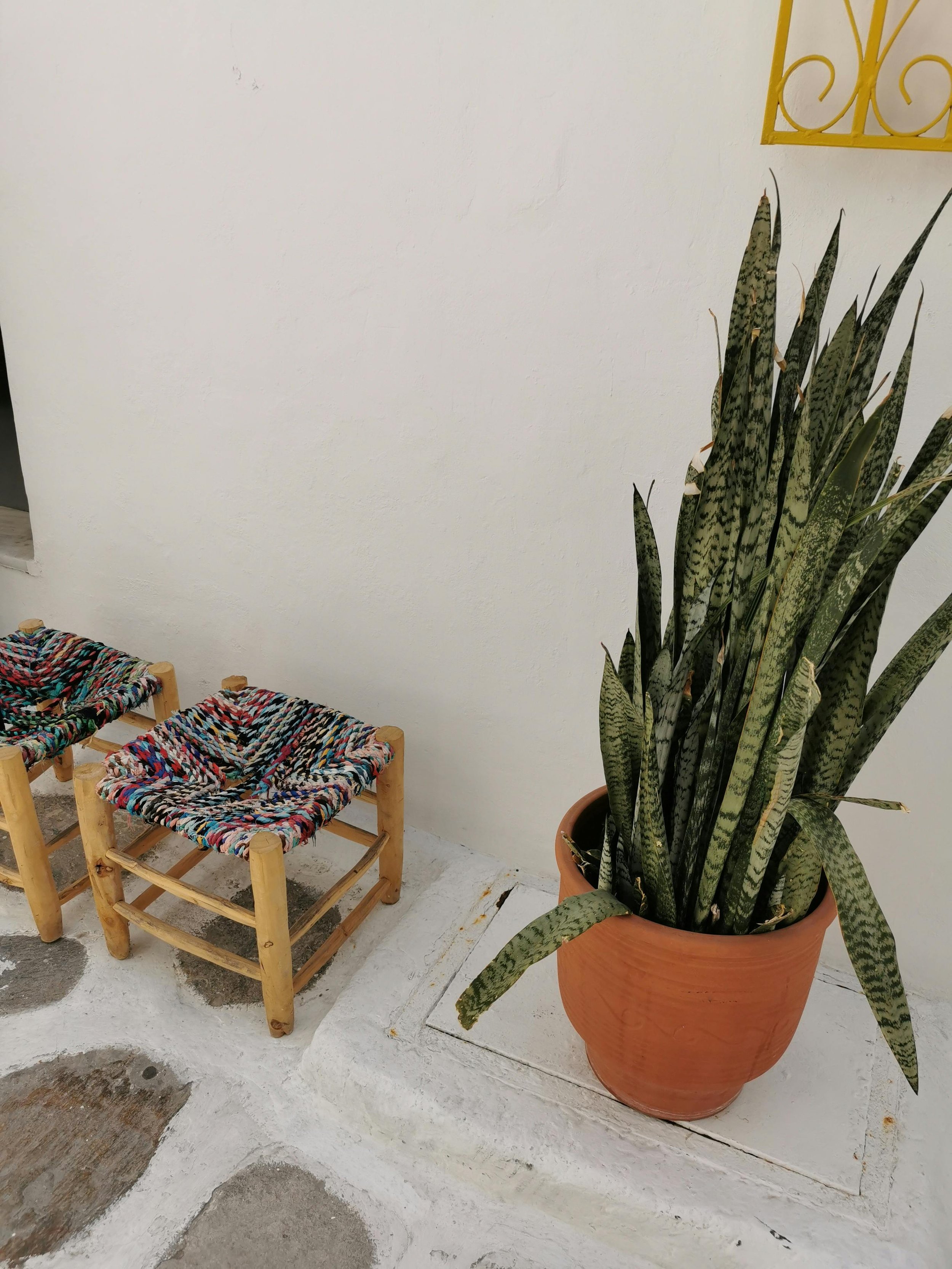
A Guide to Caring for Your Snake Plant (Dracaena trifasciata)
The snake plant (*Dracaena trifasciata*), known as "mother-in-law's tongue," is popular for novice and experienced plant enthusiasts. Renowned for its striking, upright leaves and remarkable resilience, this plant thrives in various conditions and requires minimal care. In this post, we'll dive into the essential aspects of snake plant care, including ideal lighting, watering, fertilization, and repotting. Whether you want to add a low-maintenance plant to your collection or learn more about this hardy species, you'll find everything you need to keep your snake plant thriving.
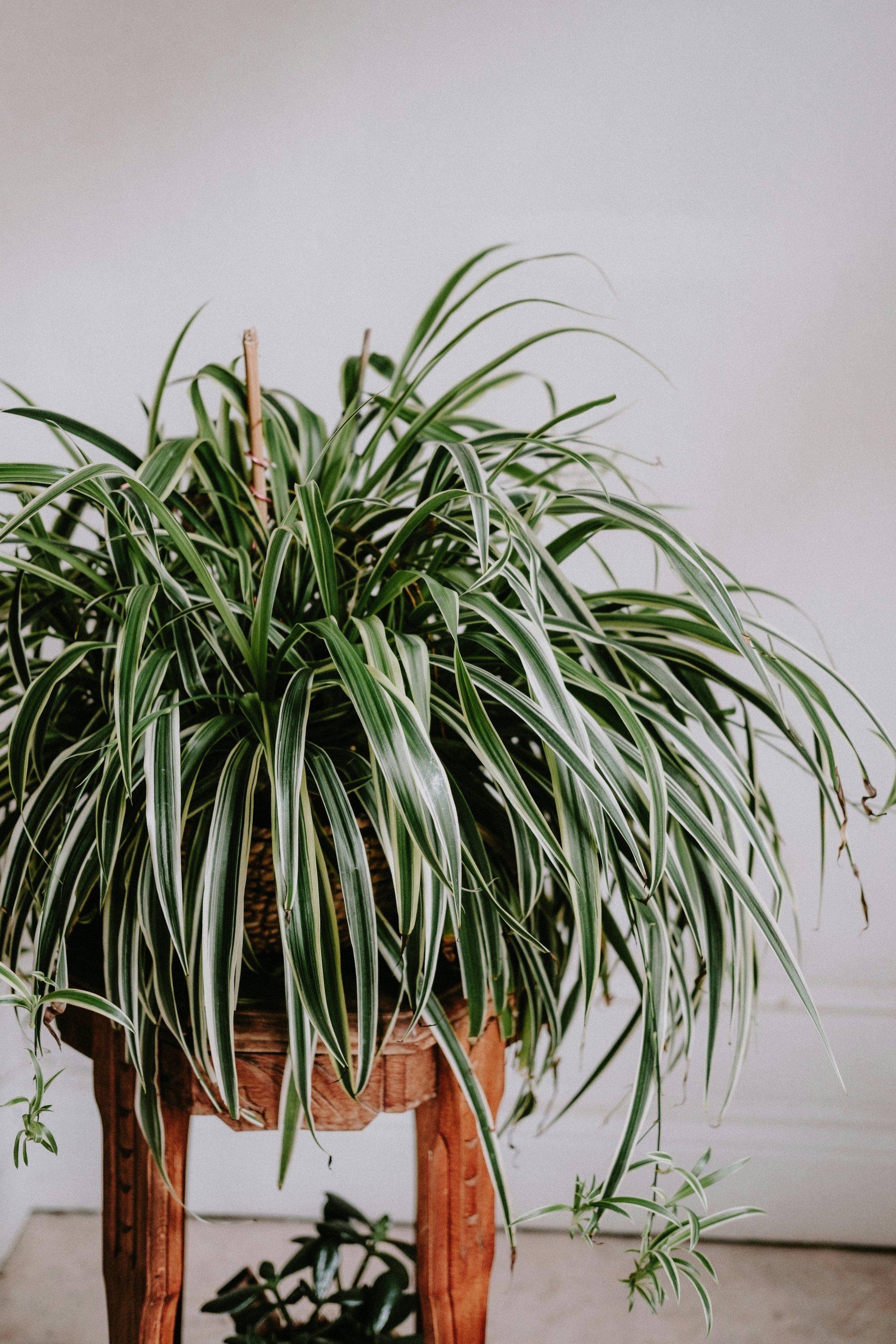
Cultivating Curiosity: The Role of Non-Toxic Plants in Montessori Classrooms
The choice of non-toxic plants, such as the Spider Plant (Chlorophytum comosum), Boston Fern (Nephrolepis exaltata), and Chinese Money Plant (Pilea peperomioides), ensures a safe learning environment. These plants are ideal for a classroom as they pose no risk if interacted with by curious children.
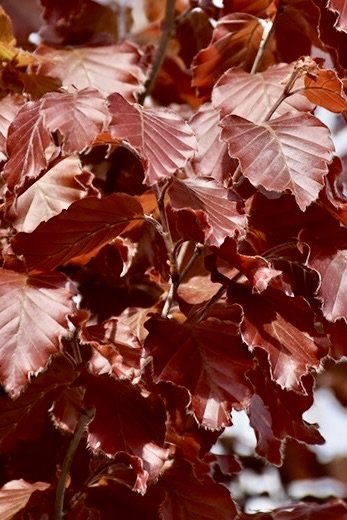
Fagus sylvatica 'Red Obelisk': A Majestic Addition to Your Garden
The European beech, Fagus sylvatica, is a tree celebrated for its majestic beauty and timeless elegance. The 'Red Obelisk' is a particularly stunning variety among its many cultivars. With its striking foliage, narrow, columnar form, and adaptability to various garden settings, Fagus sylvatica 'Red Obelisk' is a choice that garden enthusiasts and landscape designers often make to add a touch of drama and vertical interest to their spaces.
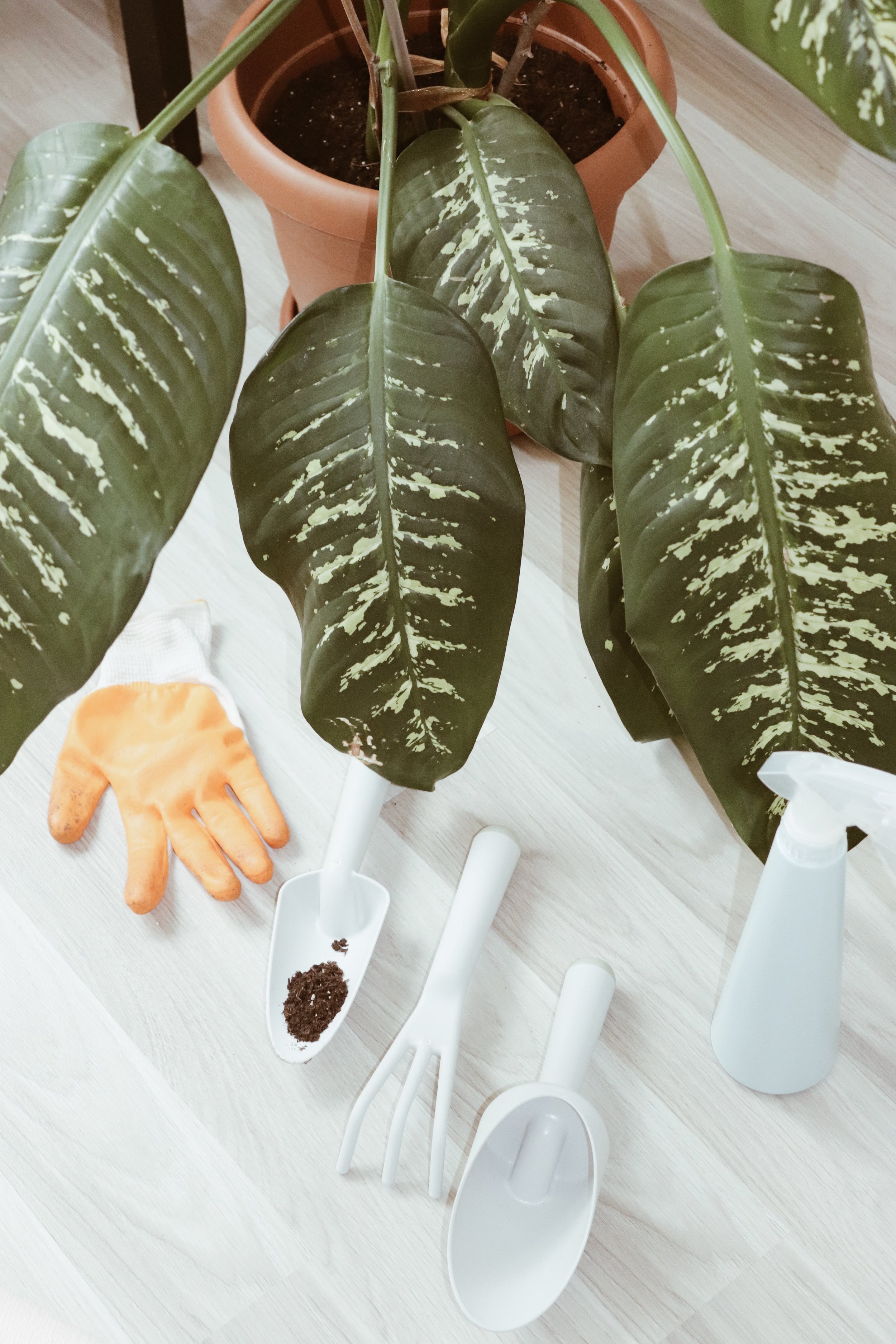
Understanding Dieffenbachia: Basic Care and Maintenance
Dieffenbachia, a member of the Araceae family, is native to the warm, humid tropical rainforests of Central and South America. Its common name, 'Dumb Cane,' originates from the plant's toxic sap, which can cause temporary speechlessness if ingested. This plant is Known for its lush, patterned foliage. Dieffenbachia varieties vary in size and color, often displaying striking combinations of green, white, and yellow.

City Sprite® Zelkova (Zelkova serrata 'JFS-KW1')
City Sprite® Zelkova is an excellent selection; its harmonious blend of visual appeal, structural resilience, and environmental adaptability makes it highly recommended for inclusion in urban greening initiatives.

The Legacy of Gifford Pinchot: U.S. Forest Service Pioneer
Gifford Pinchot's legacy as a pioneering conservationist is deeply interwoven with the fabric of America's environmental history. His life and work represent a monumental shift in the nation's approach to natural resource management, leaving an indelible mark on the country's landscapes and conservation policies.
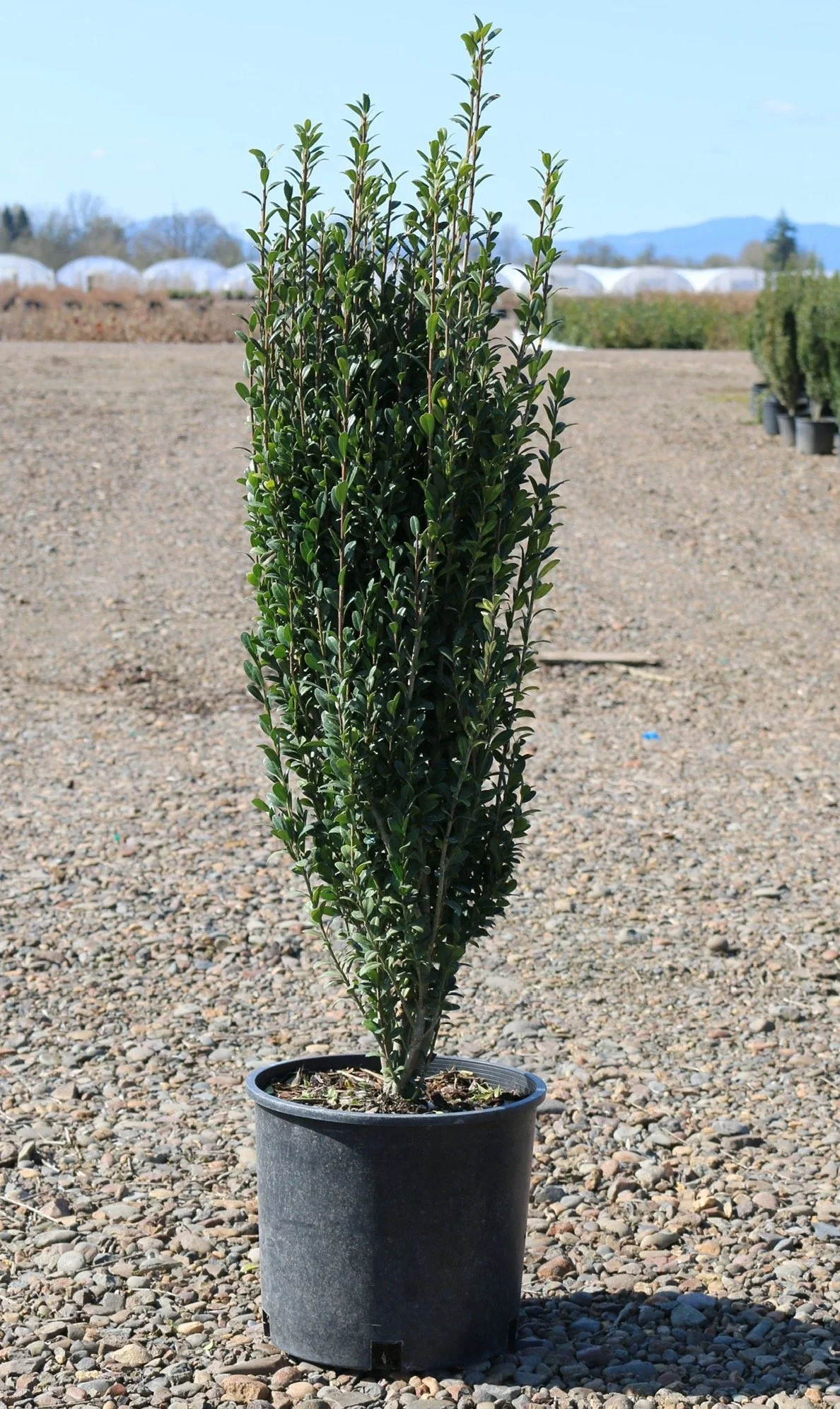
Ilex crenata 'Sky Pencil'
Gardening enthusiasts are always looking for unique plants that add a distinct charm to their green spaces. One such plant that has gained popularity for its striking appearance and adaptability is the Ilex crenata 'Sky Pencil.'

Arctostaphylos uva-ursi
Arctostaphylos uva-ursi, commonly known as Kinnikinnick, is a testament to the resilience and diversity nature offers in groundcover plants. This plant is favored for its hardiness and aesthetic appeal; this low-growing evergreen brings beauty and versatility to gardens. Explore its native range, hardiness, detailed propagation methods, ideal growth conditions, and remarkable cultivars.
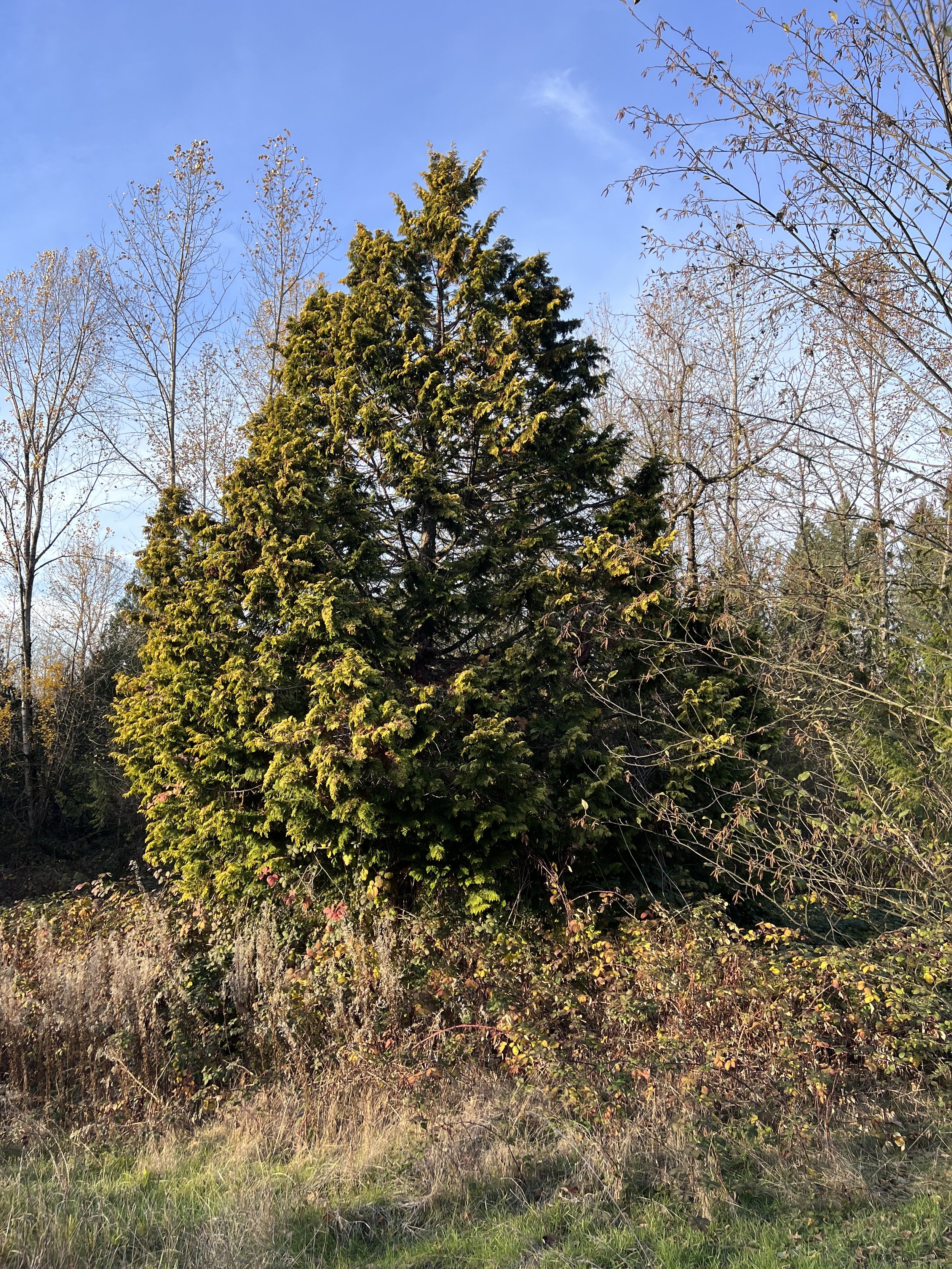
Chamaecyparis obtusa 'Crippsii'
There's something special about encountering a remarkable tree in an unexpected place. Along my usual route to our nursery, a unique individual of Chamaecyparis obtusa 'Crippsii,' also known as the Golden Hinoki Cypress, has stood as a silent sentinel for over 25 years.

Picea Sitchensis: An In-Depth Guide
Picea sitchensis, commonly known as the Sitka spruce, is a vital coniferous tree in the Pinaceae family. Native to the west coast of North America, this species is renowned for its robust nature and impressive height, making it an essential component of its native ecosystems and a striking addition to varied landscapes.
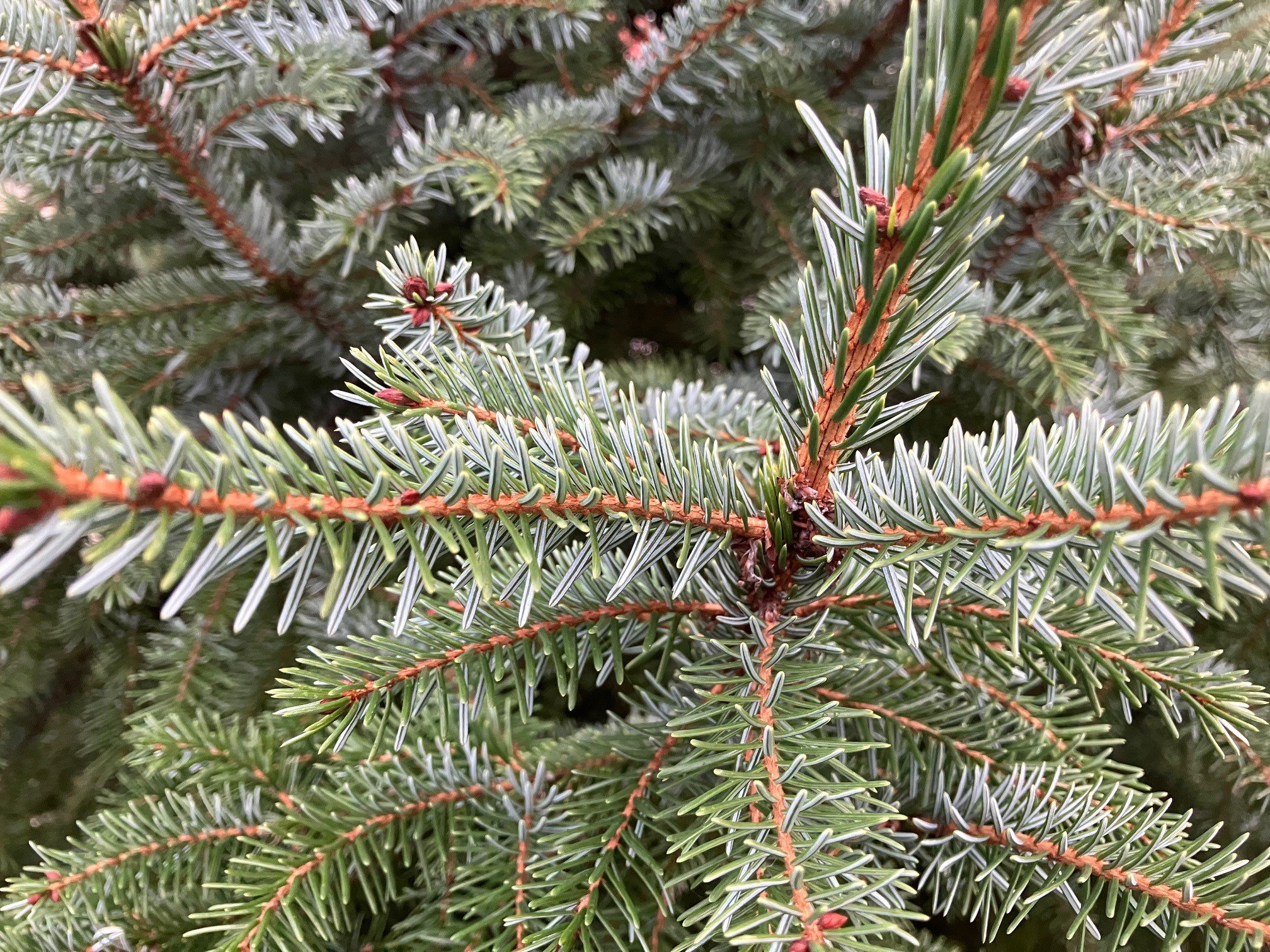
Needle Know-How: Identifying Spruce Trees by Their Needles
Spruce trees, known for their majesty and versatility, are prominent in North American landscapes. Whether you're an aspiring arborist, a gardening enthusiast, or someone who appreciates the natural beauty of trees, recognizing different spruce species by their needles is fascinating and valuable. This guide zeroes in on the critical needle features - length, texture, color, and stomatal bands - to help distinguish between various species.